
Pioneering Research in and for AI Policy
Building interdisciplinary and cross-sectorial bridges, developing the tools to understand and govern from a human-centered perspective.
Explore Our Research
The AI Policy Lab at Umeå University is dedicated to conducting pioneering, fundamental research in the field of artificial intelligence that transcends traditional boundaries.
Our focus is to develop and implement innovative methods and engage in diverse activities that facilitate knowledge exchange.
Our approach is to be swift-footed in responding to immediate challenges within AI Policy, while simultaneously engaging in critical analysis and thoughtful reflection on long-term directions and implications.
Latest News and Blog Posts
View All News
Seminar presentation: Redefining Work in the Age of AI
On Friday at AI Policy Lab @Umeå University we had a book club discussion on “The AI Paradox: How to Make Sense of a Complex Future” by Professor Virginia Dignum.
We explored the book’s eight AI paradoxes and reflected on what they mean for education, governance and society.
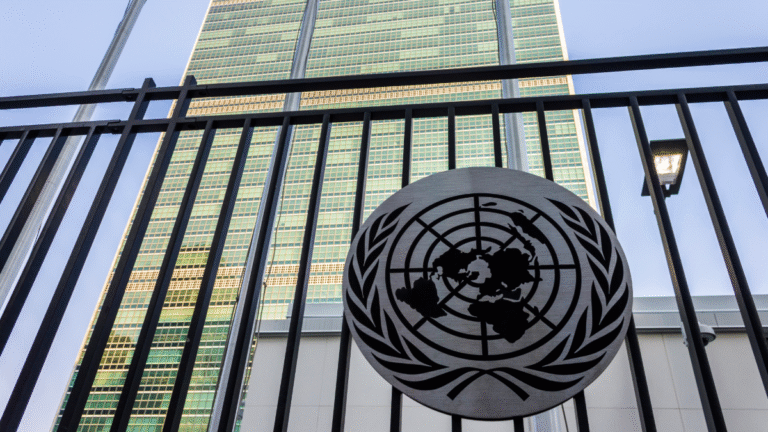
Our new piece on Tech Policy Press – The UN Scientific Panel on AI’s Preliminary Report Does Not Establish Its Independence
Over the coming weeks, there will be no shortage of analysis of the contents and priorities put forward by the UN’s Independent International Scientific Panel on Artificial Intelligence (IISPAI) Preliminary Report. Yet, the report leaves unresolved a prior and more fundamental question: the nature of its independence, or more accurately, how that independence is understood, secured and demonstrated. Independence is what gives the Panel its value. Without it, it is hard to distinguish the Panel from the many interest groups already vying for space in AI governance.
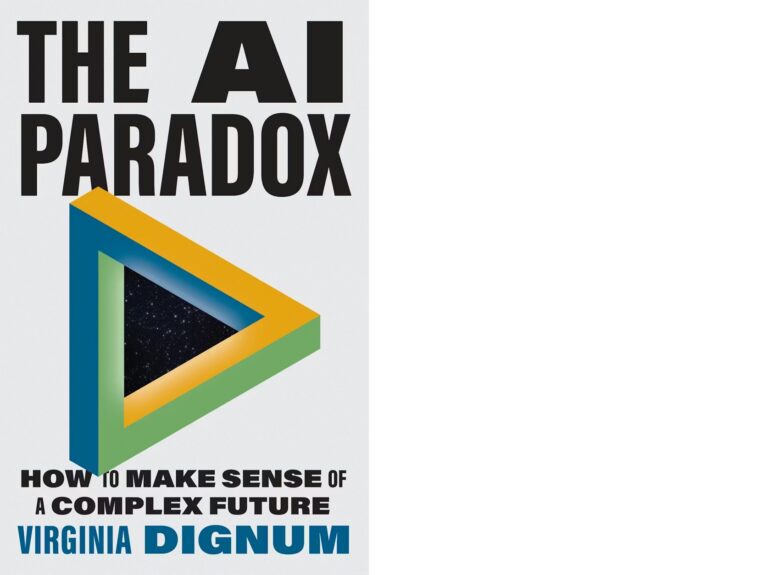
Book Club discussion on “The AI Paradox: How to Make Sense of a Complex Future”
On Friday at AI Policy Lab @Umeå University we had a book club discussion on “The AI Paradox: How to Make Sense of a Complex Future” by Professor Virginia Dignum.
We explored the book’s eight AI paradoxes and reflected on what they mean for education, governance and society.